
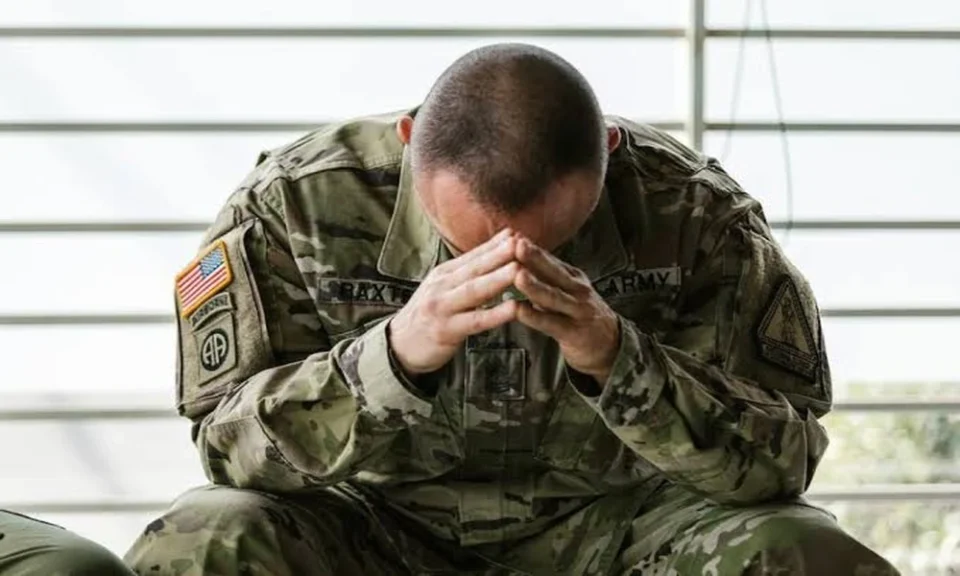
A General Officer Memorandum of Reprimand (GOMOR) can have serious consequences for a service member’s military career. It may affect evaluations, promotions, assignments, security clearances, and future opportunities, depending on the circumstances and how the reprimand is handled. Because a GOMOR can become part of a service member’s official record, understanding the rebuttal process is important for anyone facing one. For service members seeking guidance on the process, a skilled GOMOR rebuttals attorney in Atlanta with Fortis Military Defense can help explain the legal considerations surrounding a response. Fortis Military Defense is located at 1201 W. Peachtree St NW, STE 2300, Atlanta, Georgia. The firm can be reached at +1 931-580-1289.
What Is a GOMOR?
A GOMOR is a formal administrative reprimand issued by a military commander or general officer. It may be based on alleged misconduct, poor judgment, violations of military rules, or other behavior considered inconsistent with military standards.
Unlike a criminal conviction, a GOMOR is generally an administrative action. This distinction is important because the process does not necessarily involve a criminal trial. However, the consequences can still be significant.
A GOMOR may be filed in a service member’s official military personnel record. Once placed in the permanent record, it can be reviewed by promotion boards and other military authorities. In some situations, a reprimand may instead be placed temporarily in a local file.
Why Does a GOMOR Rebuttal Matter?
When a service member receives a GOMOR, they typically have an opportunity to submit a written rebuttal before a final filing decision is made. The rebuttal gives the service member a chance to respond to the allegations and provide relevant information for the deciding authority to consider.
A rebuttal can be important because the initial allegations may not tell the complete story. For example, a service member may have evidence showing that an allegation is inaccurate, that important circumstances were overlooked, or that the conduct was misunderstood.
The goal is not simply to deny every allegation. An effective rebuttal should address the specific issues raised by the reprimand and present relevant facts in a clear and organized manner.
What Can Be Included in a GOMOR Rebuttal?
A rebuttal can contain information that helps explain why the reprimand should not be imposed or should receive a less serious disposition. Depending on the circumstances, this may include several types of evidence.
Factual Corrections
A service member can identify factual inaccuracies in the allegations. Specific explanations are generally more useful than broad statements that the allegations are unfair.
For example, if a memorandum incorrectly states when an event occurred, a service member may provide records or other documentation establishing the correct timeline.
Supporting Documentation
Documents can help establish the circumstances surrounding an allegation. Relevant materials may include official records, correspondence, statements, evaluations, or other evidence connected to the underlying incident.
The importance of each document depends on the facts of the individual case.
Character Information
A service member may also provide information demonstrating their professional history and character. Performance evaluations, awards, commendations, and statements from individuals familiar with the service member’s performance may provide useful context.
However, character information should support the response rather than distract from the specific allegations addressed in the GOMOR.
Common Mistakes in GOMOR Rebuttals
One common mistake is responding emotionally rather than focusing on facts. Receiving a formal reprimand can be stressful, but an effective response should remain professional and organized.
Another mistake is failing to address important allegations individually. A general denial may not adequately explain why the reprimand is inaccurate or disproportionate.
Service members should also avoid submitting irrelevant information simply because it may appear favorable. A rebuttal is most effective when its contents directly relate to the allegations, the available evidence, and the potential impact of the reprimand.
Finally, deadlines should be taken seriously. The time available to prepare a rebuttal may be limited, making early review of the allegations and supporting evidence important.
What Happens After a Rebuttal Is Submitted?
After reviewing the GOMOR and the service member’s response, the appropriate authority may decide how the reprimand should be handled. Depending on the circumstances, the reprimand may be filed in a personnel record, placed in a local file, or otherwise disposed of under applicable military procedures.
The exact process can vary according to the service branch, the authority involved, and the circumstances underlying the reprimand.
If a GOMOR is ultimately filed in a service member’s record, additional administrative options may sometimes be available. Those options can depend on the type of record, the applicable regulations, and the facts of the case.
Understanding the Importance of Military Regulations
GOMOR proceedings are governed by military regulations and policies rather than ordinary civilian employment procedures. For that reason, service members should understand which rules apply to their particular situation.
Army personnel, for example, may need to consider applicable Army regulations concerning unfavorable information, administrative reprimands, personnel records, and related actions. The official Army Publishing Directorate provides access to Army publications and regulations that may be relevant to military administrative matters.
Legal guidance can also help service members distinguish between a GOMOR rebuttal and other administrative or disciplinary processes. These procedures can involve different standards, deadlines, and potential consequences.
Key Takeaways
A GOMOR is an administrative reprimand that can have lasting effects on a service member’s military career. A rebuttal provides an opportunity to correct inaccurate information, explain relevant circumstances, present supporting evidence, and address the potential consequences of the reprimand.
